
Viewing 7 - 12 out of 99
Patient Education

Skin Growths
Neurofibroma
A neurofibroma is a benign, non-cancerous, nerve tumor that presents as a soft, flesh colored, bump on or under the skin. It can occur in isolation as a non-worrisome skin growth or rarely, when numerous lesions are present, as an association with a genetic condition known as neurofibromatosis. Most
Skin Conditions
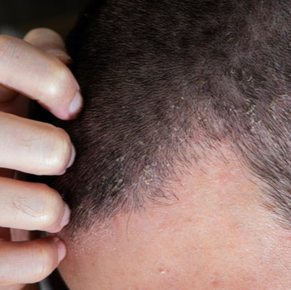
Seborrheic Dermatitis
Seborrheic dermatitis is a very common skin condition which presents with itchy, red patches of skin, greasy scales, and flaking. Common areas of involvement include the scalp, ears, eyebrow region, and sides of the nose. It typically occurs in infants younger than 3 months of age and in adults ages

Skin Conditions
Nummular Dermatitis
Nummular dermatitis is a type of eczema characterized by intensely itchy, red, scaly, and at times weeping or oozing, coin-shaped lesions. Nummular dermatitis typically affects the extremities, with the legs being the most common site of involvement. The condition can occur at any age, with men being

Cosmetics
Non Surgical Body Contouring
Non-surgical body contouring refers to cosmetic treatments which are non-invasive that are used to help individuals eliminate fat, shape or contour areas of the body, and tighten skin. Lipolysis, the medical term for destruction of fat cells, is one example of technology used for nonsurgical body contouring.

Precancers & Skin Cancers
Melanoma
Melanoma is a type of skin cancer originating from the pigment producing cells in the skin called melanocytes. Though not as common as basal cell carcinoma and squamous cell carcinoma, it is more deadly because of its ability to spread to other parts of the body. Melanomas can have various appearances.

Infections & Infestations
Genital Herpes
Genital herpes is a sexually transmitted infection caused by an infection with the herpes simplex virus (HSV). There are two types of the herpes simplex virus- herpes simplex virus type 1 (HSV-1) and herpes simplex virus type 2 (HSV-2). Either type can cause genital herpes, but HSV-2 is responsible for


Monday
8:00 am - 5:00 pm
Tuesday
8:00 am - 5:00 pm
Wednesday
8:00 am - 5:00 pm
Thursday
8:00 am - 5:00 pm
Friday
Closed
Weekend
Closed
OFFICE HOURS
Lunch 12:00 pm - 1:00 pm
Monday
8:00 am - 5:00 pm
Tuesday
8:00 am - 5:00 pm
8:00 am - 5:00 pm
Wednesday
Thuirsday
8:00 am - 5:00 pm
Closed
Friday
Weekend
Closed