
Viewing 67 - 72 out of 99
Patient Education

Skin Care
The Damaging Effects of UV Radiation
The sun emits UV radiation in the form of UVA, UVB, and UVC. UVA rays, which are the longest, penetrate the deepest in the skin and are responsible for tanning and premature aging. UVB rays are shorter and responsible for vitamin D production in the skin. UVB rays are also the cause of sunburning. UVC

Skin Care
Sunscreen
Sunscreen use is critical to protecting your skin from UV radiation. Wearing the right sunscreen will allow you to maximize your time in the sun while being protected from its harmful rays. Dermatologists recommend picking a broad spectrum sunscreen (one which blocks both UVA and UVB rays) with an SPF

Skin Conditions
Stretch Marks (Striae)
Stretch marks are a type of scar that occurs when the skin stretches rapidly. Examples include: growth spurts during puberty, pregnancy, rapid weight loss or gain, and bodybuilding. It can appear as pinkish, purplish, or flesh colored linear bands or streaks on the skin that are depressed or indented.

Skin Growths
Skin Tags
Skin tags are very common, benign, skin growths. They present as fleshy outgrowths of the skin, at times extending from a stalk or stem. They are frequently found in areas of high friction such as around the neck, in the axilla (armpits), or in the groin folds. They are usually flesh colored, but can

Skin Care
Skin Care for Dry, Sensitive Skin Types
Dry skin is a common skin condition that results when the skin loses moisture and its natural oils resulting in scaling, flaking, cracking, and itching. It is sometimes also referred to as xeroderma or xerosis. Dry skin affects people of any age and skin type and can occur anywhere on the body. Dry skin
Skin Growths
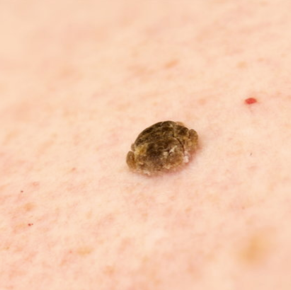
Seborrheic Keratoses
Seborrheic keratoses are very common skin growths that tend to develop with age. They are benign and not worrisome. These growths are commonly found on the head, neck, chest, or back, though they can appear anywhere on the body with the exception of the palms and soles. Seborrheic keratoses can be white,


Monday
8:00 am - 5:00 pm
Tuesday
8:00 am - 5:00 pm
Wednesday
8:00 am - 5:00 pm
Thursday
8:00 am - 5:00 pm
Friday
Closed
Weekend
Closed
OFFICE HOURS
Lunch 12:00 pm - 1:00 pm
Monday
8:00 am - 5:00 pm
Tuesday
8:00 am - 5:00 pm
8:00 am - 5:00 pm
Wednesday
Thuirsday
8:00 am - 5:00 pm
Closed
Friday
Weekend
Closed